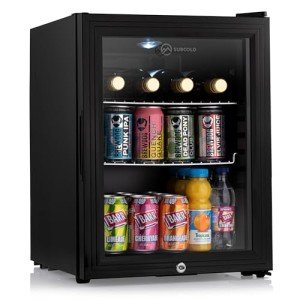
The Best Place To Research Quiet Operation Fridges Online
The Serenity in Silence: A Guide to Choosing Quiet Operation Refrigerators
In the hustle and bustle of modern life, our homes are meant to be sanctuaries of peace and serenity. Yet, the consistent hum of devices can sometimes disrupt this wanted calmness. Amongst these home companions, the refrigerator, a 24/7 workhorse, can be an unexpected source of sound pollution. While Mobile Drinks Chillers of a refrigerator may be quickly neglected by some, for others, a continuously rumbling, buzzing, or clicking refrigerator can be a substantial inconvenience, impacting every day life and overall home comfort.
Thankfully, the appliance market has actually reacted to this requirement for quieter living, and today, a variety of refrigerators are developed and made with quiet operation as a main focus. Choosing a “quiet fridge” is no longer a luxury, however a useful option for those seeking a more serene home environment. This post will explore the world of quiet operation refrigerators, checking out why noise matters, what makes a fridge noisy, and how to pick a model that blends flawlessly into the background, enabling you to enjoy the quiet comfort of your kitchen area and home.
Why Quiet Operation Matters:
The significance of a quiet fridge extends beyond simple auditory choice. Continuous, low-level sound can have subtle however cumulative impacts on our well-being. Consider these points:
- Reduced Stress and Irritability: Persistent background noise, even if not purposely noticed, can add to stress and irritability. A loud refrigerator can be especially disruptive in open-plan living areas where the kitchen area combines with living and dining locations. Eliminating unneeded sound sources like a loud fridge can create a calmer and more relaxing home environment.
- Enhanced Focus and Concentration: For those who work from home, or simply enjoy quiet time in their cooking area, a loud refrigerator can be a substantial distraction. A quieter environment promotes better focus and concentration, whether you're cooking, working, or simply loosening up.
- Improved Sleep Quality: For homes where the kitchen is adjacent to bedrooms, or in smaller sized apartments, refrigerator sound can even horn in sleeping areas. While maybe not as loud as traffic or building, a constant hum throughout the night can interrupt sleep patterns and lower sleep quality over time.
- Greater Enjoyment of Home Life: Ultimately, a quieter home is just a more enjoyable home. It allows you to totally value the noises you want to hear— conversations, music, the laughter of family— without being constantly highlighted by the mechanical drone of a noisy device.
Comprehending the Sources of Refrigerator Noise:
To value how quiet refrigerators are created, it's handy to understand the common sources of sound in standard designs. Refrigerators create sound mainly from several crucial components:
- The Compressor: This is the heart of the fridge, accountable for circulating refrigerant and cooling the home appliance. Compressors cycle on and off to maintain temperature, and their operation is typically the most significant source of noise. Older compressors, especially, can be quite loud, producing rumbling, buzzing, or perhaps knocking sounds.
- Fans: Refrigerators utilize fans for different purposes. The condenser fan cools the compressor, while evaporator fans distribute cold air within the freezer and fridge compartments. Noisy fans, often due to worn bearings or blade imbalance, can produce whirring or rattling sounds.
- Defrost Cycle: Frost-free refrigerators regularly go through a defrost cycle to avoid ice buildup. This process can include heating elements and fans, which can in some cases produce hissing, crackling, or dripping sounds.
- Ice Maker and Water Dispenser: If your refrigerator has these features, they can likewise add to noise. Ice makers can be noisy when filling with water, giving ice, or throughout the ice-making procedure itself. Water dispensers can create gurgling or pumping sounds.
- Vibrations: Even if specific parts are reasonably quiet, vibrations from the compressor or fans can be amplified by the refrigerator's structure and surrounding surface areas, causing perceived sound.
The Silent Revolution: Features of Quiet Operation Refrigerators:
Modern fridge manufacturers are using numerous technologies and design innovations to decrease sound levels. Here are some crucial features to try to find when seeking a quiet operation refrigerator:
- Inverter Compressors: This is probably the most significant advancement in quiet refrigerator innovation. Unlike traditional compressors that cycle on and off at complete power, inverter compressors run at variable speeds. They run more regularly at lower speeds to preserve temperature, leading to considerably lowered sound levels, in addition to enhanced energy performance and temperature level stability.
- Advanced Insulation: Effective insulation not just improves energy effectiveness but likewise assists to moisten and contain internal noises. Thicker and denser insulation materials contribute to quieter operation.
- Optimized Fan Design: Manufacturers are designing fans with enhanced blade shapes and motor technologies to reduce noise. Some designs even utilize several smaller sized fans running at lower speeds instead of a single big, possibly noisier fan.
- Vibration Dampening Materials and Construction: Quiet refrigerators typically incorporate vibration-absorbing materials at crucial points like compressor mounts and fan real estates. Strong building and robust cabinet design also assist to minimize vibration and noise transmission.
- Quiet Defrost Systems: Designers are working to enhance defrost cycles to minimize noise. This can involve using quieter heating components or fine-tuned fan operation throughout defrost.
- Strategic Component Placement: The placement of loud parts within the fridge cabinet can influence viewed sound levels. Strategic positioning and sound-dampening enclosures can assist isolate and reduce noise.
How to Identify a Quiet Refrigerator:
Beyond marketing claims, there are practical ways to assess the quiet operation of a refrigerator before you bring it home:
- Check the Decibel (dB) Rating: Ideally, makers would plainly display the sound level in decibels. While this isn't constantly available, trying to find this requirements is the most objective procedure. A fridge with a noise level below 40 dB is usually considered quiet, and designs around 35 dB or lower are incredibly silent.
- Check Out Product Reviews and Expert Opinions: Online reviews and professional device reviews typically discuss noise levels. Try to find reviews that specifically mention quiet operation or compare the design to others in terms of sound.
- See Showrooms and Listen to Demo Units (If Possible): While display room environments can be loud, if possible, attempt to listen to the refrigerator running. Take notice of the type and level of noise it produces.
- Try to find “Quiet Operation” or “Low Noise” Labels: Manufacturers often highlight quiet operation as a selling point. Look for marketing products or labels that specifically mention “quiet operation,” “low sound,” or comparable terms.
- Consider Brands Known for Quiet Appliances: Some brand names have developed a credibility for producing quieter devices. Investigating brand track records and focusing on brands known for quality and development can be a valuable beginning point.
Keeping a Quiet Refrigerator:
Even a refrigerator developed for quiet operation can end up being noisier gradually if not effectively maintained. Here are some tips to guarantee your refrigerator remains as silent as possible:
- Proper Leveling and Installation: Ensure the fridge is correctly leveled after installation. Uneven leveling can cause vibrations and increased sound.
- Regular Cleaning: Keep the fridge coils (normally found at the back or bottom) clean of dust and debris. Unclean coils require the compressor to work more difficult and can add to noise and decreased performance. Likewise, make sure fans are without obstructions and dust buildup.
- Check for Ice Build-up: Excessive ice build-up in the freezer can in some cases trigger fan sound or interfere with air flow, possibly leading to noisier operation. Ensure the defrost system is operating correctly.
- Avoid Overpacking: Overpacking the refrigerator or freezer can limit air flow and potentially strain the cooling system, leading to increased sound.
- Address Unusual Noises Promptly: If you see any brand-new or uncommon sounds, such as loud rattling, banging, or grinding, examine them immediately. It could suggest a minor issue that, if left unaddressed, could get worse and become noisier or result in more considerable problems.
Conclusion:
Choosing a quiet operation fridge is an investment in your house's tranquility and your general well-being. By comprehending the sources of refrigerator sound and the functions that add to quiet operation, you can make a notified choice and choose a model that mixes seamlessly into your home environment. Accepting the tranquility of silence in your kitchen area will enhance your life, decrease stress, and enable you to completely value the serene convenience of your home.
- * *
Often Asked Questions (FAQs) about Quiet Operation Refrigerators:
Q: What is considered a “quiet” fridge in regards to decibel (dB) levels?
A: Generally, a refrigerator operating at or listed below 40 dB is considered quiet. Designs in the variety of 35 dB or lower are exceptionally quiet and will likely be barely noticeable in the majority of home environments.
Q: Are refrigerators with inverter compressors quieter than those with conventional compressors?
A: Yes, inverter compressors are usually considerably quieter than conventional compressors. Their variable-speed operation allows them to run more regularly at lower speeds, lowering noise and vibrations compared to traditional on-off biking compressors.
Q: What are the typical sounds a fridge might make, and which are thought about regular vs. problematic?
A: Normal fridge sounds consist of a mild hum from the compressor, the whirring of fans, occasional clicking throughout temperature guideline, and sounds related to the defrost cycle (hissing, dripping). Troublesome sounds consist of loud rumbling, buzzing, knocking, grinding, or consistent rattling, which might indicate a breakdown.
Q: Can I make my existing loud refrigerator quieter?
A: While you can't essentially change the compressor or fan innovation, you can try a few things:* Ensure correct leveling.* Clean the condenser coils.* Check for and remove any obstructions near fans.* Use vibration-dampening mats below the refrigerator.If these actions do not substantially decrease noise, it may be time to think about a quieter, more recent model.
Q: Are there specific brands or designs understood for their quiet operation?
A: Yes, numerous brand names are understood for focusing on quiet home appliance style. Research brands like Bosch, Samsung, LG (specifically models with inverter direct compressors), and particular high-end brand names. Checking out item reviews and skilled comparisons is likewise important for specific design details.
Q: Do quiet refrigerators cost more than basic models?
A: Generally, refrigerators with sophisticated features like inverter compressors and improved noise-dampening innovations may have a slightly greater initial cost compared to standard models. However, the long-term advantages of quieter operation, in addition to prospective energy savings associated with inverter compressors, frequently make them a worthwhile investment.
- * *
Lists within the short article:
Factors Contributing to Refrigerator Noise:
- Compressor operation
- Fan noise (condenser and evaporator fans)
- Defrost cycle activity
- Ice maker and water dispenser operation
- Vibrations and resonance
- Refrigerant flow
Benefits of Choosing a Quiet Refrigerator:
- Reduced stress and irritability
- Enhanced focus and concentration
- Enhanced sleep quality
- Greater enjoyment of home life
- A more tranquil and relaxing home environment
Tips for Identifying a Quiet Refrigerator:
- Check the decibel (dB) ranking
- Check out product reviews and professional viewpoints
- Check out display rooms and listen to demo units
- Search for “Quiet Operation” or “Low Noise” labels
- Consider brands understood for quiet devices
Maintenance Tips for Keeping Your Refrigerator Quiet:
- Proper leveling and setup
- Routine cleansing of condenser coils and fans
- Examine for ice accumulation in the freezer
- Avoid overpacking the refrigerator
- Address unusual sounds without delay